Customers now prefer insulated glass because it is a more sustainable choice and saves energy. Both commercial and residential demand indicate that there is an opportunity for manufacturers to increase profits by producing insulated glass.
Because insulated glass units require two or more panes of glass, they can significantly reduce the transfer of heat between the inside and outside of a home or building. They make buildings warmer in the winter and cooler in the summer. Environmentally conscious home and business owners choose Low-E (low-emissivity) insulated glass units because they reduce electricity-related greenhouse gas emissions by minimizing the need for excessive heating and cooling. Combined with Low-E
insulated glass coatings, the gas used between the glass panes increases the window's overall U-value, which is a measure of a building's heat transfer. The lower the U-value, the better the
insulated glass. Low-E
insulated glass is the most effective product for customers to save energy and reduce heating and cooling costs. Through argon filling and Low-E coating, the insulation performance can be improved by 44%.
The
insulated glass production market is expected to grow, doubling in both size and value by 2030. The growing need for energy-efficient buildings is driving market demand, but the greatest growth is coming from the growth of residential construction. Residential construction will continue to drive demand for the
insulated glass window market as the demand for more multi-unit properties grows.
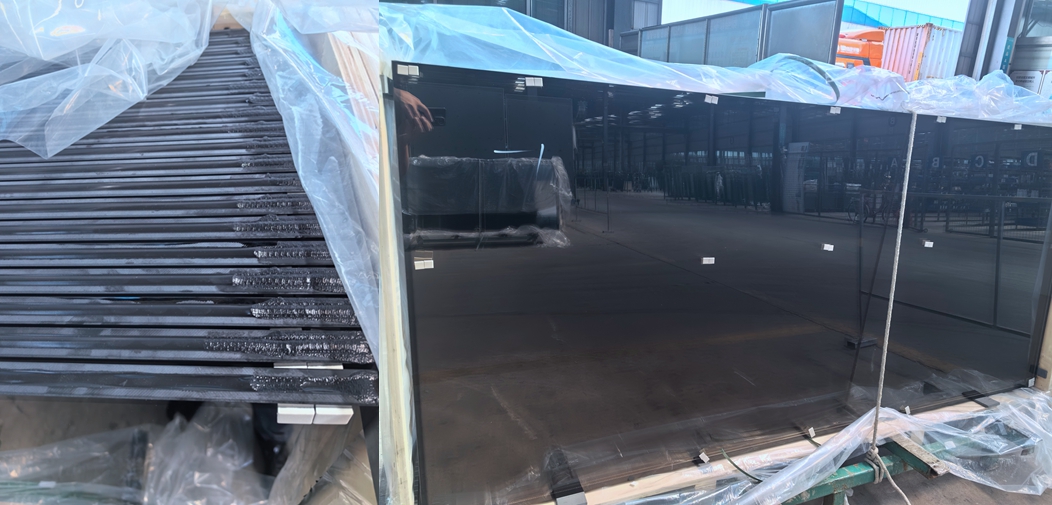
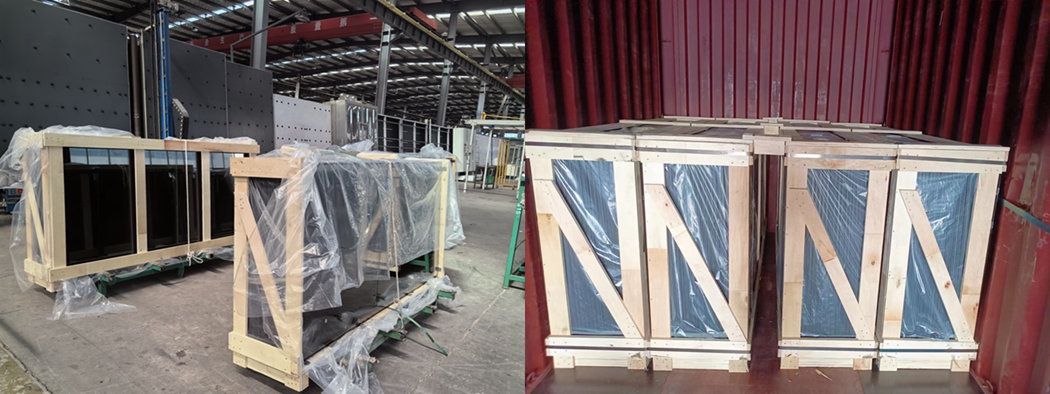
Our company can provide various type of insulated glass as per customer's request, welcome to your inquiry!

 How to distinguish "glass" - the difference between laminated glass and insulating glass?
 Application of patterned glass in the field of home design
 Problems and Solutions Caused by Improper Storage of Glass
